






-
TEXAS: ’15 of my cousins came here on H-1B’ - 13 hours ago
-
NEW YORK: Indian-origin doctor shares mother’s immigrant success journey in US - 2 days ago
-
ARIZONA: Indian-origin scientist wins Arizona State University’s top Science Prize - March 1, 2026
-
WASHINGTON: Balaji Krishnamoorthy becoming Uber CFO amid ongoing visa row - February 28, 2026
-
LUCKNOW: Prime Minister Narendra Modi on HCL-Foxconn chip facility in UP - February 27, 2026
-
WASHINGTON: 55% Indian Americans Disapprove Of Trump’s India Policies: Survey - February 26, 2026
-
WASHINGTON: Trump Praises Indian American Harmeet Dhillon Amid Harvard Case - February 26, 2026
-
MUMBAI: Ranbir Kapoor to set up new RK Studios - February 25, 2026
-
LONDON: ‘Great son of India’ - February 25, 2026
-
BANGKOK: Shri Puneet Agrawal has been appointed as the next Ambassador of India to the Kingdom of Thailand - February 24, 2026


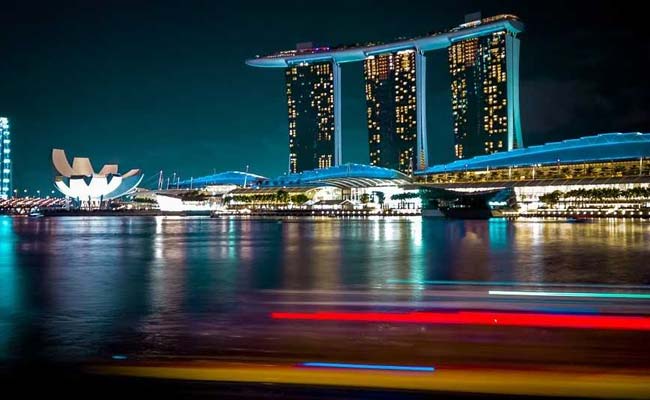
SINGAPORE: Indians Can Now Work As Cooks In Singapore As Island-Nation Bends Rules
SINGAPORE: Singapore, in a move to address workforce shortages in its hotel industry, has added cooks from India to its list of permissible hires, widening its recruitment pool for certain job positions in the services and manufacturing sectors.
Traditionally, employers in Singapore’s services and manufacturing sectors have primarily sourced work permit holders from China, Malaysia, Hong Kong, Macau, South Korea, and Taiwan.
The Ministry of Manpower has recently unveiled the application process for cooks in Indian restaurants in the city-state. Establishments desiring to employ Non-Traditional Sources (NTS) work permit holders can submit applications on the ministry’s website, starting from September 1.
Bangladesh, India, Myanmar, the Philippines, Sri Lanka and Thailand constitute NTS countries.
With this move, cooks from India have joined the ranks of housekeepers and porters to be included in the list of permissible hires for work permit holders.
The ministry has outlined that the applications will be assessed by a panel comprising industry and government stakeholders with expertise in Indian cuisine.
It said that the new development allows eateries to recruit cooks not only from India but also from Bangladesh and Sri Lanka. By expanding the hiring options to these nations, Singapore aims to further enrich its multi-ethnic culinary landscape, supplementing existing recruitment sources like Malaysia, China, and North Asian countries.
S Mahenthiran, Chief Executive of Catering Solutions and Honorary Secretary of the Indian Restaurants Association (Singapore), applauded this decision, stating that it will empower Indian restaurants to offer authentic Indian dishes while preserving the country’s rich Indian heritage.
Apart from cooks in Indian restaurants, the updated NTS Occupation List, introduced during the 2022 Budget debate, encompasses jobs like welders and certain food processing workers, according to The Straits Times newspaper.
Employers must pay these workers at least 2,000 (Singapore dollars) a month in fixed wages. These workers must account for eight per cent or lower of the employer’s total headcount, excluding Employment Pass holders.
Welcoming the government’s decision, Singapore Hotel Association Executive Director Margaret Heng underlined that manpower shortage is potentially affecting operations in the hospitality industry, which is critical to the country’s reputation as a preferred travel destination.
Singapore National Employers Federation Executive Director Sim Gim Guan said that “carefully allowing” workers from NTS countries to work in specific occupations would ease employers’ manpower challenges.
“This is necessary to ensure that Singapore remains attractive as a destination for meetings, incentives, conferences and exhibitions, and tourists,” he said.
About the Author

Some Related Posts
-
SINGAPORE: Kolkata-born NRI industrialist Prasoon Mukherjee to lead Singapore business body
SINGAPORE: Kolkata-born NRI industrialist Prasoon Mukherjee has been -

SINGAPORE CITY : Singapore Airlines confirms talks on with Tata for merging Vistara with Air India
SINGAPORE CITY : Air India will soon join the league of global airlines lik -
SINGAPORE CITY : India Wheat Export Ban Hits Chewy Chapati Eating Punjabis In Singapore
SINGAPORE CITY : India’s ban on wheat exports since May has hit Singa -

SINGAPORE CITY : India ranks fourth with 24 firms in ‘Forbes Asia best under a billion’
SINGAPORE CITY : Last week Forbes Asia published its 2022 edition of the be -

SINGAPORE CITY: Air India’s New CEO Designate Campbell Wilson Resigns from Singapore Airlines
SINGAPORE CITY: Campbell Wilson, who has been picked by Tata Sons to lead A