






-
SILICON VALLEY: Indian-origin executive named CEO of Microsoft Gaming - March 5, 2026
-
WASHINGTON: Indian-American lawyer at center of Trump’s biggest legal setback - March 4, 2026
-
TEXAS: ’15 of my cousins came here on H-1B’ - March 3, 2026
-
NEW YORK: Indian-origin doctor shares mother’s immigrant success journey in US - March 2, 2026
-
ARIZONA: Indian-origin scientist wins Arizona State University’s top Science Prize - March 1, 2026
-
WASHINGTON: Balaji Krishnamoorthy becoming Uber CFO amid ongoing visa row - February 28, 2026
-
LUCKNOW: Prime Minister Narendra Modi on HCL-Foxconn chip facility in UP - February 27, 2026
-
WASHINGTON: 55% Indian Americans Disapprove Of Trump’s India Policies: Survey - February 26, 2026
-
WASHINGTON: Trump Praises Indian American Harmeet Dhillon Amid Harvard Case - February 26, 2026
-
MUMBAI: Ranbir Kapoor to set up new RK Studios - February 25, 2026


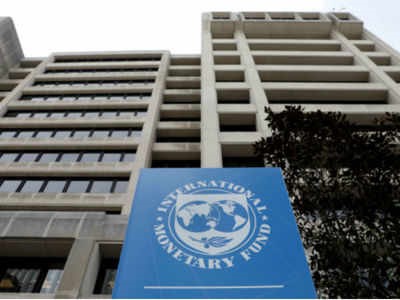
TORONTO: Rising world food prices causing concerns among people: IMF
TORONTO: Global food prices have rallied
to multi-year highs, triggered by Covid-19 pandemic-related supply chain
disruptions and soaring transport costs, the International Monetary Fund (IMF)
has said.
More is likely to come since international food prices are expected to increase
by about 25 per cent in 2021 from 2020, wrote IMF’s Christian Bogmans, Andrea
Pescatori and Ervin Prifti in a new blog. They are expected to stabilise later
this year.
The recent sharp increase in international food prices has already slowly
started to feed into domestic consumer prices in some regions as retailers,
unable to absorb the rising costs, are passing on the increases to consumers.
However, food price inflation started increasing before the pandemic. In the
summer of 2018, China was hit by an outbreak of African swine fever, wiping out
much of China’s hog herd, which represents more than 50 per cent of the world’s
hogs.
This sent pork prices in China to
an all-time high by mid-2019 creating a ripple effect on the prices of pork and
other animal proteins in many regions around the world. This was compounded by
the introduction of Chinese import tariffs on US pork and soybeans during the
US-China trade dispute.
At the start of the pandemic, food supply chain disruptions, a shift from food
services (such as dining out) towards retail grocery and consumer stockpiling
(coupled with sharp appreciation of US dollar) pushed up consumer food price
indices in many countries.
Consumer food inflation peaked in April 2020 even though producer prices of
primary commodities, including food and energy, were declining sharply as
demand for primary food commodities was disrupted.
By early summer 2020, however, various consumer food prices had moderated,
pushing down consumer food inflation in many countries.
At the same time, wrote the IMF
economists, ocean freight rates have increased two to three times in the last
12 months while higher gasoline prices and truck driver shortages in some
regions are pushing up the cost of road transport services. Higher transport
costs will eventually increase consumer food inflation.
From their trough in April 2020,
international food prices have increased by 47.2 per cent attaining their
highest levels on May 2021 since 2014. Between May 2020 and May 2021, soybean
and corn prices increased by more than 86 and 111 per cent respectively.
Finally, wrote the IMF economists, for emerging markets and developing
economies an additional risk factor is the currency depreciation against the US
dollar — possibly due to falling export and tourism revenues and net capital
outflows.
Since most food commodities are traded in US dollars, countries with weaker
currencies have seen their food import bill increase.
About the Author

Some Related Posts
-

TORONTO: 16-year-old Indian-origin founder accuses customer of trying to ‘destroy’ his startup
TORONTO: Indian-origin startup founders are facing a hard time with their c -

TORONTO: Elon Musk to meet PM Modi on India visit, set to unveil EV plan
TORONTO: Elon Musk is set to come to India to meet PM Narendra Modi and ann -

OTTAWA: Indian-Origin Entrepreneur Receives One Of Canada’s Highest Honours
OTTAWA: Firdaus Kharas, an India-born entrepreneur and thought leader, has -

TORONTO: Canada Gets Massive Response For New Work Permit For H-1B Visa Holders
TORONTO: The Canadian government’s decision to allow 10,000 H-1B visa -

TORONTO : Foreign investors, banks may step up Indian govt bond buying in December
TORONTO : Foreign investors and banks that have stepped up their purchase o