






-
SILICON VALLEY: Indian-origin executive named CEO of Microsoft Gaming - March 5, 2026
-
WASHINGTON: Indian-American lawyer at center of Trump’s biggest legal setback - March 4, 2026
-
TEXAS: ’15 of my cousins came here on H-1B’ - March 3, 2026
-
NEW YORK: Indian-origin doctor shares mother’s immigrant success journey in US - March 2, 2026
-
ARIZONA: Indian-origin scientist wins Arizona State University’s top Science Prize - March 1, 2026
-
WASHINGTON: Balaji Krishnamoorthy becoming Uber CFO amid ongoing visa row - February 28, 2026
-
LUCKNOW: Prime Minister Narendra Modi on HCL-Foxconn chip facility in UP - February 27, 2026
-
WASHINGTON: 55% Indian Americans Disapprove Of Trump’s India Policies: Survey - February 26, 2026
-
WASHINGTON: Trump Praises Indian American Harmeet Dhillon Amid Harvard Case - February 26, 2026
-
MUMBAI: Ranbir Kapoor to set up new RK Studios - February 25, 2026


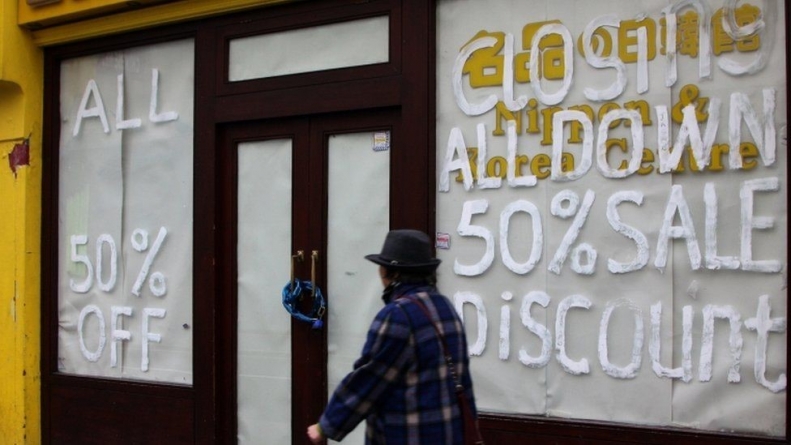
LONDON: Business insolvencies rise as government aid wanes
LONDON: The number of businesses that
failed in England and Wales last month was the largest since the Covid pandemic
began.
Company
insolvencies in September totalled 1,446, increasing from 1,349 in August and
56% higher than the same month last year, data from the Insolvency Service
shows.
September
saw many firms contend with rising energy and labour costs and the tapering of
Covid government support.
Some
insolvency experts fear the number will rise further.
Energy
companies Utility Point and PfP Energy, musical instrument maker Roli, as well
as chilled food delivery firm EVCL Chill all collapsed last month.
More to go bust?
Claire
Burden, a partner at professional services firm Tilney Smith & Williamson,
said the ongoing energy price rises will “reverberate into additional
sectors” and push more companies such as those in manufacturing and
consumer goods into financial strife.
“This
will cause further failures when combined with existing pressures of increased
transport costs and supply issues,” Ms Burden added.
The Bank
of England earlier this month said one third of small businesses in the UK are
classed as “highly indebted”, where their debt levels are more than
10 times their cash balances.
Matt
Richards, a restructuring and insolvencies partner at accountants Azets, said
he expected the upward trend of insolvencies to continue “now that the
government has withdrawn most of its corporate support measures”.
“The
additional pressures facing businesses today with higher inflation, staff
shortages, increasing energy prices and the need to repay Covid-incurred debt,
is likely to increase the number of insolvencies over the next 12 months.”
An HM
Treasury spokesperson said the government had backed UK businesses with £400bn
of support, including through the Plan for Jobs scheme.
“It’s
working – two million fewer people are now expected to be out of work than
previously feared and the number of redundancies remains near a seven-year
low,” they said.
“We’re
also unlocking investment through the £20bn a year super deduction, the biggest
two-year business tax cut in modern British history, while £650bn of private
and public infrastructure investment will support 425,000 jobs over the next
four years.”
About the Author

Some Related Posts
-

LONDON: Focus On UK Visas For Indians As Tory Leadership Contest Enters Last Leg
LONDON: The two frontrunners in the race to replace Rishi Sunak as C -

LONDON: Rishi Sunak Praises PM Modi, Says “India Showing Global Leadership”
LONDON: India’s diversity and its extraordinary successes mean it is -

LONDON: Indian Businessman Buys London Mansion For ₹ 1,200 Crore
LONDON: Indian billionaire Ravi Ruia bought a £113 million ($145 million) -
LONDON : OYO to downsize 3,700-employee base, cut 600 jobs
LONDON : IPO-bound travel tech firm OYO on Saturday announced it will downs -

LONDON : Essar announces $4.9 billion petrochem complex in Odisha
LONDON : The Essar group promoted by the Mumbai-based Ruia family on Thursd