






-
SILICON VALLEY: Indian-origin executive named CEO of Microsoft Gaming - March 5, 2026
-
WASHINGTON: Indian-American lawyer at center of Trump’s biggest legal setback - March 4, 2026
-
TEXAS: ’15 of my cousins came here on H-1B’ - March 3, 2026
-
NEW YORK: Indian-origin doctor shares mother’s immigrant success journey in US - March 2, 2026
-
ARIZONA: Indian-origin scientist wins Arizona State University’s top Science Prize - March 1, 2026
-
WASHINGTON: Balaji Krishnamoorthy becoming Uber CFO amid ongoing visa row - February 28, 2026
-
LUCKNOW: Prime Minister Narendra Modi on HCL-Foxconn chip facility in UP - February 27, 2026
-
WASHINGTON: 55% Indian Americans Disapprove Of Trump’s India Policies: Survey - February 26, 2026
-
WASHINGTON: Trump Praises Indian American Harmeet Dhillon Amid Harvard Case - February 26, 2026
-
MUMBAI: Ranbir Kapoor to set up new RK Studios - February 25, 2026


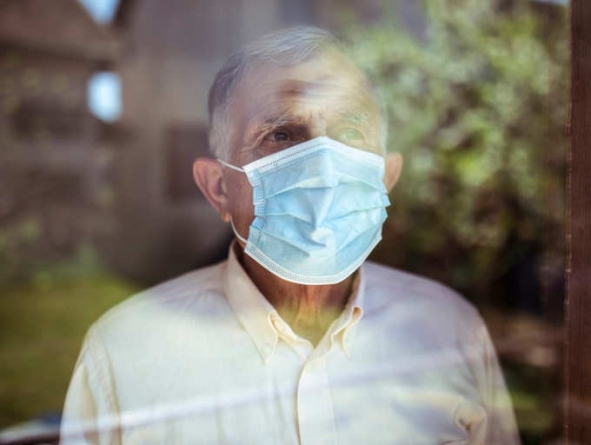
COPENHAGEN: Coronavirus – People above 65 are more likely to catch COVID-19 twice, says Lancet study
COPENHAGEN: While COVID-19 vaccination is
going on in full swing, studies are still being conducted to know more about
the virus. One such study published on Wednesday found that people over the age
of 65 are more likely to be reinfected with COVID-19.
The study
The study was published in The Lancet and looked at
the data collected in Denmark between February and December 2020. For the
study, around 4 million people took around 10 million PCR tests to check for
COVID-19 infection.
The result
The authors of the study found that the general
population has around 80 per cent protection from the virus, once infected. The
protection rate dropped to 47 per cent for people over the age of 65.
The
authors of the study looked for the records of people who took PCR tests in
both the first wave of COVID-19 in Denmark, between March and May and during
the second wave, between September and December.
The study
compared people who tested positive twice to people who tested positive only
once.
In line
with the previous findings, the authors found that the rate of infection was
very low, less than 1 per cent among the general population. Antibodies
provided them with protection for at least 6 months.
The rate
of protection was found to be only 47 per cent among people over the age of 65.
Limitations of the study
It is
possible that the PCR tests picked up lingering traces of the virus, which
showed the reports positive and not a genuine reinfection.
The data
does not inform about the risk of reinfection by variants, some of which are
thought to evade immunity. For example, the P.1. variant, which was first found
in Brazil is thought to be able to reinfect people who have had the disease
before.
About the Author

Some Related Posts
-

LONDON: NRI Woman Wins Appeal For Workplace Fairness Over Chronic Illness In UK
LONDON: An NRI professional on Monday won her High Court appeal in London a -

DHAKA: Air pollution is making people more tired and sick
DHAKA: Rising air pollution has quietly turned into a serious health threat -

TORONTO: Indian-Origin Cab Driver Picks Up Two Passengers, Drops 3 To Hospital
TORONTO: An Indian-origin cab driver who picked up a couple, including a pr -

BRUSSELS: Joint Press Release on the 11th India – EU Foreign Policy and Security Consultations and the 6th India-EU Strategic Partnership Review Meeting in Brussels
BRUSSELS: The European Union and India held the 11th India-EU Foreign Polic -

WASHINGTON: Social Media Has Direct Impact On Mental Health- US Surgeon General To NDTV
WASHINGTON: There is a direct connection between social media use and menta