






-
SILICON VALLEY: Indian-origin executive named CEO of Microsoft Gaming - March 5, 2026
-
WASHINGTON: Indian-American lawyer at center of Trump’s biggest legal setback - March 4, 2026
-
TEXAS: ’15 of my cousins came here on H-1B’ - March 3, 2026
-
NEW YORK: Indian-origin doctor shares mother’s immigrant success journey in US - March 2, 2026
-
ARIZONA: Indian-origin scientist wins Arizona State University’s top Science Prize - March 1, 2026
-
WASHINGTON: Balaji Krishnamoorthy becoming Uber CFO amid ongoing visa row - February 28, 2026
-
LUCKNOW: Prime Minister Narendra Modi on HCL-Foxconn chip facility in UP - February 27, 2026
-
WASHINGTON: 55% Indian Americans Disapprove Of Trump’s India Policies: Survey - February 26, 2026
-
WASHINGTON: Trump Praises Indian American Harmeet Dhillon Amid Harvard Case - February 26, 2026
-
MUMBAI: Ranbir Kapoor to set up new RK Studios - February 25, 2026


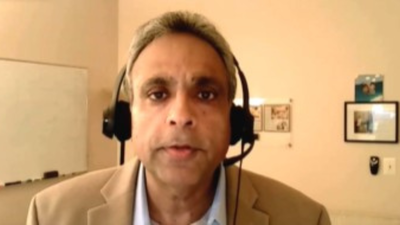
SILICON VALLEY: ‘They are controllable’ – Indian-origin Howard professor explains 2 reasons why US companies prefer H-1Bs
SILICON VALLEY: Indian-origin Howard professor Ronil Hira, who has been a staunch critic of the H-1B visa, weighed in on the fresh H-1B controversy and explained that it is a no-brainer as to why US companies prefer H-1Bs. The fresh controversy started after President Donald Trump appeared softer on H-1B as he recently said in a FOX interview that America needs certain types of foreign talent. Weeks ago, the administration took a strong step against H-1B as it imposed a $100,000 visa fee, meaning any company that hires H-1Bs will have to cough up this amount. But Trump not dismissing H-1B outright and claiming that America needs certain talents sent a mixed signal to MAGA.
As MAGA is divided and Indians are targeted in the US, Ronil Hira explained that employers love H-1B. Citing examples of Disney and the University of California, economist Ron Hira said there are widely reported incidents of American workers being forced to train their H-1B replacements, which proves that H-1B visa holders are not always high-skilled.
Most of the people coming to the US on H-1B visas have ordinary skills, skills that are abundantly available from American workers, Dr Hira said. But employers prefer H-1B workers because they can legally be paid less than American workers and because they are controllable, as they are indentured to their employers. “It’s kind of a no-brainer for employers to prefer the H-1Bs. On the other side, there are some very highly qualified people who come on H-1Bs, and so the real issue is how do you fix the program so that most of the people coming in are actually filling genuine skill gaps and not coming in because they are cheaper and controllable,” Dr Hira said.
The Indian-origin expert said H-1B often gets muddled with immigration, while H-1B is a labor policy as it’s a guest worker program. “It’s not an immigration issue but a labor issue. You are intervening into the labor market, injecting workers here. You should have a high bar to inject workers who have fewer rights, who are sort of second class in a lot of ways and their worker protections are just very weak. Any guest worker program needs very strong worker protection. H-1B has very weak worker protection and that’s why Silicon Valley loves it,” Dr Hira said.
About the Author

Some Related Posts
-
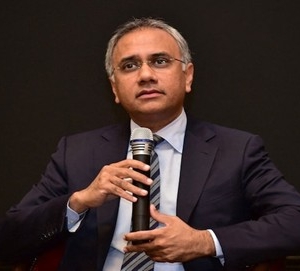
SILICON VALLEY: Infosys CEO Denies Employee Was Deported From US
SILICON VALLEY: Infosys CEO and Managing Director Salil Parekh denied claim -
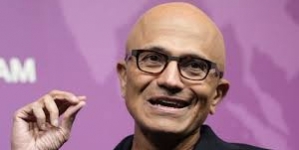
SILICON VALLEY: Satya Nadella Reveals He’s Spending Free Time Designing A Cricket App
SILICON VALLEY: Satya Nadella has been spending his free time coding and de -

WASHINGTON: ‘H1-B should be reserved for top talent, not mediocre….’: Indian-origin venture capitalist says ‘visas must be reduced in number’
WASHINGTON: Indian-origin venture capitalist Asha Jadeja Motwani doubled do -
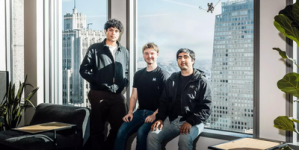
WASHINGTON: Two desi lads in Silicon Valley become youngest self-made billionaires at 22
WASHINGTON: In a stunning testament to the boom in Artificial Intelligence -
CALIFORNIA: PM Modi Put India On World Map As Credible Innovator- IT Industry Leaders
CALIFORNIA: Indian-origin business leaders from the IT industry lauded Prim